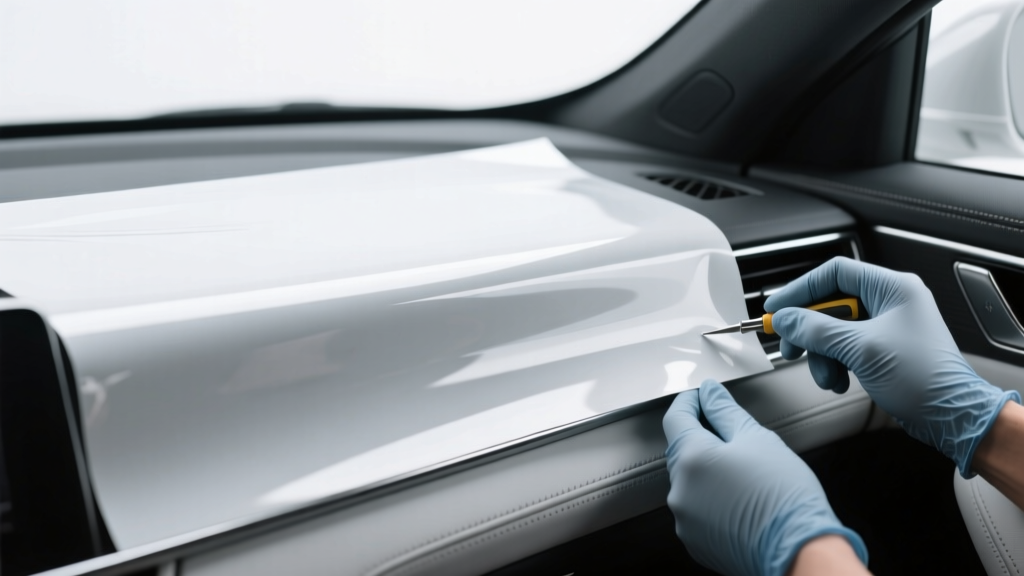
Vinyl Wrap Warranty: Coverage Guide (2026)
Vinyl wraps have moved from ?custom show car? territory to a practical upgrade for daily drivers. Whether you?re wrapping an exterior panel, blacking out trim, or transforming interior surfaces like center consoles and dash accents, a good wrap can protect original finishes and refresh the look without permanent paint or replacements.
What many owners don?t learn until something goes wrong: warranties vary wildly. Some cover only the vinyl film itself, others include installation workmanship, and many have exclusions that can surprise even careful drivers. Understanding what?s covered (and what?s not) helps you choose the right wrap shop, pick the right film, and keep your wrap looking sharp for years.
This guide breaks down vinyl wrap warranties in plain language?manufacturer coverage vs. installer coverage, typical exclusions, how to document your install, and what to do if you need to file a claim. You?ll also get practical care tips, product comparisons, and common mistakes that can void coverage.
What a Vinyl Wrap Warranty Actually Covers
Most wrap-related ?warranties? fall into two categories. The best installs come with both.
1) Manufacturer Film Warranty (Material Warranty)
This is provided by the vinyl brand (for example: 3M, Avery Dennison, ORAFOL/Oracal, KPMF). It typically covers defects in the film under normal use, such as:
- Excessive fading or discoloration beyond expected levels
- Cracking, peeling, or delamination caused by film failure
- Adhesive failure (not caused by poor prep or incompatible surfaces)
- Manufacturing defects (inconsistent finish, premature deterioration)
Material warranties often depend on factors like:
- Film series and finish (gloss vs. matte/satin vs. chrome)
- Environment (hot desert sun vs. mild climate)
- Use case (commercial fleets vs. personal vehicles)
- Application method and approved installers (in some programs)
2) Installer/Shop Warranty (Workmanship Warranty)
This is provided by the wrap shop. It covers installation quality and is often where real-world problems get resolved. It may include:
- Edge lifting due to poor post-heating or tension management
- Bubbles or wrinkles from improper application technique
- Seams lifting or poor alignment
- Premature failure caused by inadequate cleaning/prep
Workmanship coverage can range from 30 days to 2+ years depending on the shop, the complexity of the job, and the agreement you sign.
Typical Warranty Lengths (Real-World Expectations)
There?s no single ?standard? term, but you can use these ranges as a reality check when comparing quotes:
- Premium cast vinyl (gloss/matte/satin): often marketed around 5?7 years for vertical exposure; less for horizontal surfaces (hood/roof/trunk)
- Color-shift, metallic, textured films: commonly shorter; some finishes are more sensitive to UV and chemicals
- Chrome/mirror films: typically the shortest?often 1?3 years or limited coverage due to care sensitivity
- Interior vinyl wrap (dash trim, console, door trims): varies widely; heat, hand oils, cleaners, and abrasion matter more than UV
Example: A daily-driven SUV in Arizona with a matte black hood wrap may show wear much sooner than the same film on doors in Oregon. That?s why many warranties differentiate ?vertical vs. horizontal? and ?mild vs. severe climate.?
What?s Usually Not Covered (Exclusions to Watch)
This is where owners get caught off guard. Many wrap warranty claims are denied due to exclusions like these:
- Impact damage: rock chips, door dings, scratches, vandalism
- Improper washing: harsh brushes, abrasive pads, aggressive pressure washing too close to edges
- Chemical damage: strong solvents, degreasers, bug/tar removers not approved for wraps
- Underlying paint issues: failing clear coat, resprays, bodywork, rust, or peeling paint
- Normal wear: expected gloss change, light swirls, scuffs in high-contact areas
- Aftermarket modifications: removing trim, badges, sensors, or disassembling interior panels yourself after wrapping
- Extreme heat exposure: heat guns used by the owner, parking near industrial heat sources, or constant high-heat engine bay proximity on unsupported films
Interior-specific exclusion example: If you wrap a center console and routinely place keys, sunglasses, or metal bottles on it, abrasion marks are typically considered wear-and-tear?not a warranty failure.
Manufacturer vs. Shop Coverage: Who Do You Call?
Start with the installer. Even if the issue looks like a film problem, the shop can inspect whether it?s installation-related, surface-related, or a true material defect.
- If edges lift within weeks: likely workmanship (post-heating, tension, edge prep)
- If the film cracks across multiple panels after proper care: could be material defect or environmental mismatch
- If discoloration appears only on the hood/roof: could be exposure-based (horizontal UV/heat) rather than defect
Some film brands require certified installers for certain warranty programs. If you?re chasing long coverage, ask your shop whether they are certified for the brand and whether your job qualifies for any extended or registered warranty.
Step-by-Step: How to Protect Your Warranty From Day One
Step 1: Get Warranty Terms in Writing Before the Install
Ask for a written document or invoice line items that specify:
- The exact film brand and series (not just ?matte black wrap?)
- Coverage length for materials and workmanship
- What voids coverage (washing, chemicals, pressure washing, etc.)
- Whether removal is covered if the film fails
- How claims are handled (repair vs. rewrap vs. refund)
Step 2: Confirm Surface Condition and Disclose Paint History
If your car has:
- Repainted panels
- Aftermarket body kits
- Prior wrap residue
- Peeling clear coat
Tell the shop. Many installers will exclude panels with questionable paint because wrap removal can lift weak clear coat?this becomes a dispute later if it?s not discussed upfront.
Step 3: Document the Install (Photos + Paper Trail)
Do this on pickup day:
- Photograph each wrapped panel in good lighting, including edges and seams.
- Take close-ups of any complex areas (mirrors, bumpers, interior corners).
- Save your invoice and any care instructions.
- Record the install date and shop contact info.
This documentation helps if lifting appears later and you need to show it wasn?t caused by damage or poor care.
Step 4: Follow the First 7-Day Care Window
Most wraps need time for adhesive to fully set. For the first week:
- Avoid high-pressure washing and automatic car washes
- Avoid aggressive driving through heavy rain/mud if edges are fresh
- Do not apply wax, ceramic sprays, or solvent cleaners unless approved
- Park indoors or in shade when possible, especially in high heat
Wrap Care Rules That Keep Coverage Intact
Warranties often assume ?reasonable care.? These habits help you avoid edge failure, staining, and premature aging.
Safe Washing Basics
- Hand wash: pH-neutral car shampoo, soft mitt, gentle technique
- Rinse well: don?t let soap dry on matte/satin finishes
- Dry carefully: clean microfiber towels, blotting on matte films
Pressure Washer Guidelines (If You Must Use One)
- Keep the nozzle at least 12?24 inches away (follow your film brand?s recommendations)
- Spray at an angle, not straight into edges or seams
- Avoid turbo nozzles on wrap edges, recessed trim, and interior wrapped door jamb areas
Interior Wrap Care Tips
- Use mild interior cleaners (avoid strong alcohol or solvent-heavy products)
- For touch surfaces (steering trim, shifter surrounds), expect faster wear?consider protective coatings designed for vinyl
- Don?t scrape with fingernails or hard tools when removing dust from textured films
Product Recommendations and Comparisons (Films and Protection)
Choosing reputable materials helps not only with appearance but also with predictable warranty support.
Film Types: Cast vs. Calendared (Why It Matters)
- Cast vinyl: generally the best for vehicle wraps; conforms well, lasts longer, less shrinkage over time. Best choice for complex curves and long-term coverage.
- Calendared vinyl: typically cheaper; more shrinkage and less conformability; often better for flat surfaces or short-term projects.
Brand/Finish Considerations
- Premium cast (general purpose wraps): a safer bet for longer-term exterior and interior accent work
- Matte/satin finishes: look great but can show staining and burnishing; require gentler care
- Chrome/mirror: high-maintenance; many shops limit warranty due to sensitivity
- Textured (carbon fiber/brushed metal): durable-looking, but edges and seams still need proper post-heating
Protective Add-Ons: Ceramic Coatings and PPF Over Wrap
Some owners add protection to improve cleanability and reduce staining.
- Wrap-safe ceramic coating: can make washing easier and reduce water spotting. Make sure the product is approved for vinyl (especially matte films).
- PPF (paint protection film) over vinyl: premium approach for high-impact areas (front bumper, hood leading edge). It?s not always recommended for every film/finish, so confirm compatibility with your installer.
Practical example: If you wrap a daily-driven car in gloss black (which shows every chip), applying PPF to the front bumper and hood leading edge can prevent the kind of damage no wrap warranty will cover anyway.
How to File a Warranty Claim (Step-by-Step)
- Stop the damage from spreading: If an edge is lifting, don?t keep washing or picking at it. Take photos right away.
- Review your paperwork: Confirm the film brand/series, coverage dates, and exclusions.
- Contact the installer first: Provide photos, the invoice, and a clear description of what you?re seeing (when it started, which panels, your wash routine).
- Schedule an inspection: A reputable shop will want to see it in person to determine cause.
- Ask what remedy is offered: Spot repair, panel rewrap, seam correction, or partial refund?get the plan in writing.
- If it appears to be a material defect: The shop may contact the film manufacturer or distributor. You may need additional photos, batch numbers, or a sample.
Keep communication polite and specific. Warranty outcomes often hinge on whether the issue matches a defined defect and whether care instructions were followed.
Common Mistakes That Void Vinyl Wrap Coverage
- Choosing the lowest quote with vague materials: If the invoice doesn?t list the film series, you may have little recourse later.
- Washing too soon: The first week matters?edges are vulnerable while adhesive cures.
- Using the wrong chemicals: Strong degreasers and solvent-based cleaners can stain matte films or weaken adhesive at edges.
- Blasting edges with a pressure washer: This is a top cause of lifting and is commonly excluded.
- Parking long-term under harsh conditions without protection: Constant sun exposure, sap-dropping trees, and industrial fallout accelerate wear.
- Picking at corners and seams: A tiny lift becomes a full failure quickly?let the shop fix it.
- Wrapping over failing paint or unknown respray quality: The wrap can only stick as well as what?s beneath it.
Warranty Checklist: Questions to Ask Your Wrap Shop
- What film brand and series are you using (and can it be verified on the invoice)?
- How long is your workmanship warranty, and what does it cover specifically?
- Does the manufacturer offer a registered warranty for this film?
- What care products and wash methods do you recommend?
- Are there exclusions for matte/satin/chrome finishes?
- What happens if a panel fails?do you repair, rewrap, or prorate?
- Will wrap removal be safe for my paint, and what risks exist for repainted panels?
FAQ: Vinyl Wrap Warranty and Coverage
Does a vinyl wrap warranty cover scratches or rock chips?
Almost never. Scratches, chips, and impact damage are typically considered external damage, not a material defect. If you?re worried about chips, consider adding PPF to high-impact areas or choosing a wrap color/finish that hides marks better.
Will wrapping my car void my factory paint warranty?
Generally, wrapping doesn?t void a factory paint warranty by itself, but any paint damage caused by wrap removal or poor installation may not be covered by the vehicle manufacturer. If your paint is already compromised (peeling clear coat, weak respray), the risk goes up.
How long should I wait before washing a newly wrapped car?
Many installers recommend waiting at least 48?72 hours, and avoiding aggressive washing/pressure washing for up to 7 days. Follow your shop?s written instructions since temperature and film type affect cure time.
What?s the difference between ?film warranty? and ?workmanship warranty??
Film warranty covers defects in the vinyl material itself (like premature cracking or adhesive failure under proper conditions). Workmanship warranty covers installation-related issues (like lifting edges, bubbles, or poor seam work). The installer is usually your first point of contact for both.
Can I use an automatic car wash on a wrapped vehicle?
Touchless is usually safer than brush washes, but even touchless systems can be harsh if chemicals are strong and water pressure hits edges. Brush washes commonly cause scratches and edge lifting and may be considered improper care under many warranties.
Are interior vinyl wraps covered the same way as exterior wraps?
Not always. Interior wraps face different stresses?hand oils, abrasion, and heat cycling from sun through glass. Some shops offer shorter workmanship coverage for high-contact interior areas like shifter surrounds and door pulls.
Next Steps: Get Warranty-Level Results From Your Wrap
If you want a wrap that looks great and stays covered, treat the warranty as part of the product?right alongside color and price. Pick a reputable cast vinyl, choose an installer who will put coverage details in writing, and follow the first-week care rules closely. If something seems off (a lifting edge, a bubbling seam), address it early while it?s still easy to fix.
For more practical interior and exterior protection tips, finish guides, and product explainers, explore our latest articles on carinteriormix.com.